
Unit 3


intervene on behalf of another.
Those Who Need Our Help
What does need really mean? The dictionary tells us that need is a noun. Here are the definitions:
A requirement, duty, or obligation:
There is no need for you to lose hope about people who don’t have enough
A lack of something that is wanted or considered necessary:
Instead of being hopeless, you should help fill the needs of others.
A necessity arising from the circumstances of a situation or case:
There is no need to worry, but there is great need to take action.
A situation or time of difficulty:
Can you help a stranger in need?
A condition marked by the lack of something:
We need someone to set the example for cleanup in our ocean waters
.
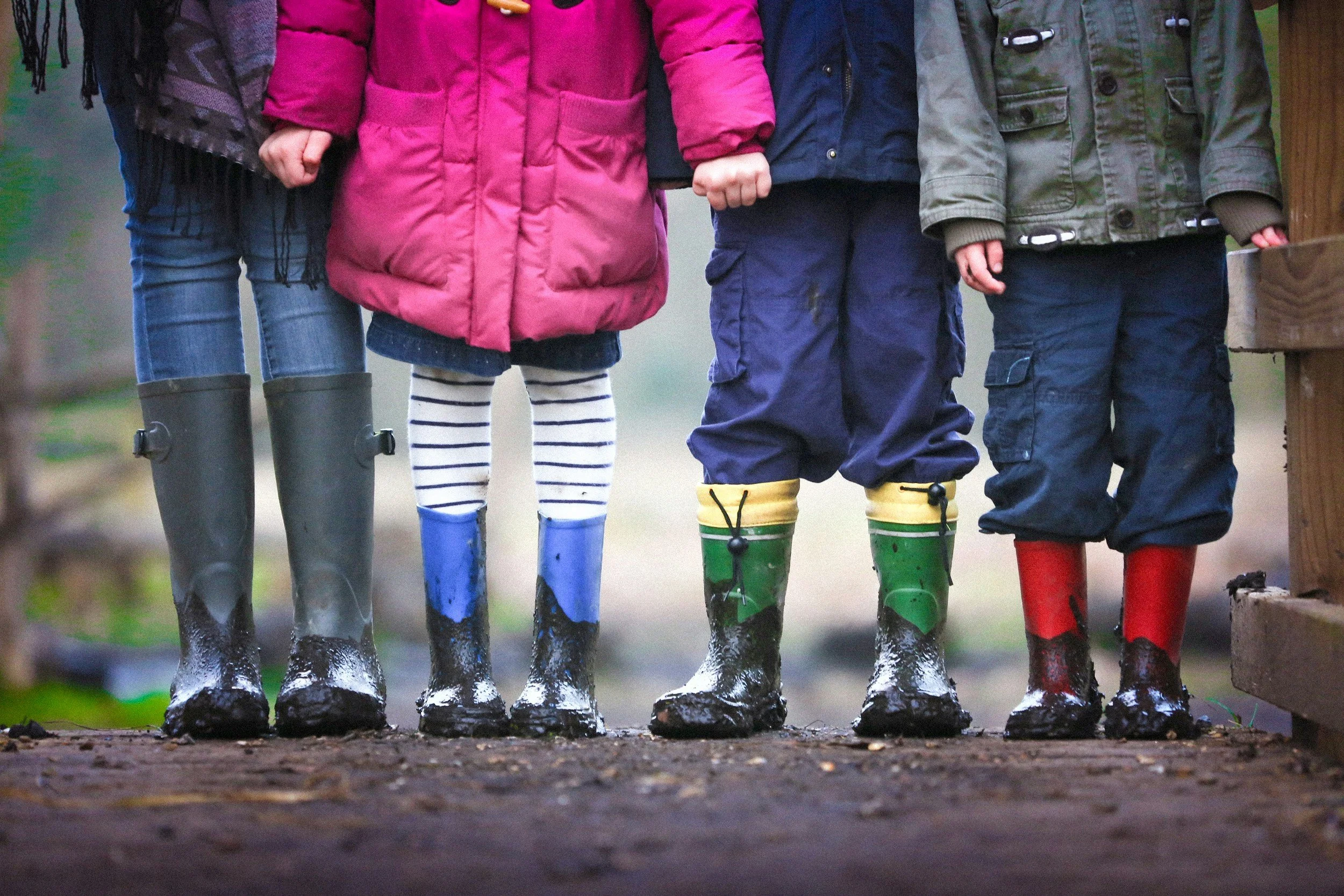
Who Needs Us To Care
Most English-speaking countries define 7 continents in our world. These make up most of the land on our globe. A continent is a very large landmass. From the smallest to the largest, those continents are
Australia
Europe
Antarctica
South America
North America
Africa
Asia.
In 2025, we estimate that there are
> 100,000,000 (100 million) children living in the streets without a home on those 7 continents.
> 20,000,000 (20 million) are displaced in their home country unable to live with their family.

Kids in neeed recieving their brand new Oceanbags!
In the USA, 1 in every 30 American children goes to sleep without a home of his or her own each year.
About 2.5 million children are homeless annually in the United States.
There are approximately 443,000 children in foster care in the United States. This means their parents can’t care for them so they live in a home with people who want to help. Many of these kids don’t even have a suitcase much less a closet or bedroom to keep their things in.
Think about the things you call your own. Without a family, it’s very hard to get anything you need. How would it make you feel to help someone have a place to put the things they own? How would you feel if you could make their life warmer and more cared for even if it was by only giving them a safe place to put what they are given? Feeling cared about is one of the most important things for each of us. Feeling love is what gives us hope.
The love of our family is one of the most valuable part of our lives,
and so is the food we need to keep us healthy.
🍇🥐🥗🍚
Over 44 million Americans face hunger every day including 1 in 5 children.
We know how it feels to be hungry. Our stomachs “growl.” We get “hangry.” It's hard to focus, and so we eat something. Now we’re full, and life is good. It’s hard to understand that there are kids who can’t just walk into a kitchen and grab something to eat. The United States of America is a wealthy country compared to other countries around the world. How can a child go hungry here?
The answer is that the families of malnourished kids can’t make enough money to pay for it all. What is “it all?” It’s a place to live, clothes, the cost of water, electricity and the food they need to live. For households that must choose between eating and paying rent, every dollar counts.
1) A place to live
2) Clothes
3) The cost of water
4) Electricity
5) The food they need to live
In the US, the cost of an average meal cooked at home is $5.50. Although, in some places in this country, the cost per meal is twice the national average. If you buy a meal for one person from a restaurant, the average cost is $22.50.
A person would need to make $33.63 per-hour to pay for a modest 2 bedroom apartment on average. This is over 4 times our country’s minimum wage. Only 28 counties in the United States pay a minimum wage to support rent for a one bedroom apartment.
All of this adult-world information is a lot for a student your age to read. The numbers may seem boring or even a little hard to comprehend, but it is worth thinking about.

You stand at a microphone in front of a lineup of all the children in our country. You say, “Please step forward if you are someone who stays hungry because there’s not enough food or no food to eat when it's meal time.”
1 out of every 5 kids in that line would step up.
GOOD NEWS: there are more than 1.54 million charitable organizations in the United States. Many of these provide food for the hungry and support for children without families or homes.
People are the most important.
There is no doubt.
The world where the people live is important, too.
In fact, the two are so wrapped into each other,
we can’t separate them.
This is the story of a real child that has been edited in order to protect their identity.
The Real Story of One in Need…
My name is Amalia. I’m 11. When I was born my dad could not get work, so he decided to rob a grocery store. That put him in jail for more than 2 years so my mom and I went to live with my granny.
When my dad got out of prison, the job he could find didn’t pay much. My mom would cook a dish of the cheapest frozen vegetables mixed with meat from one chicken leg and thigh. Sometimes there would be rice or ramen to eat alongside. It was 3 -4 cups of food all together. My mom put the bowl in the middle of our 3-legged table early in the morning. My dad came home for lunch. I would eat free lunch at school after I was old enough to go. The bowl of chicken and vegetables was our breakfast and dinner and their lunch. My dad worked late so we made sure to leave some after we ate in the evening, and he would finish up the last bites about 10:00 at night. That’s been our food for as long as I can remember.
Once on my birthday, my granny brought me a happy meal. It even had the little toy in the box, and I got to eat the whole thing. That was the biggest treat of my life!
Last year, my mom had my little brother, and my dad left. He said he didn’t want one kid, and sure wasn’t going to put up with two. I haven’t heard from him since.
For a while we lived in whatever spot we could find—an abandoned car, under picnic tables and trash cans. Once we spent a week in the open end of a sewer pipe. We foraged food behind restaurants and trash bins, but the best was searching behind the bread factory where we found day-old baked goods that didn’t sell. We feasted on old moon pies, miniature pecan pies, or stale white bread.
My mom doesn’t drink, smoke or take drugs. She never has and neither do I. This is just how life looks for some poor, homeless people doing the best that they can.
Three months ago, a kind organization reached out to help us. They took us to a shelter where we can stay for a while. They helped my mom find a job she can keep and bought each of us one set of new clothes, diapers for my little brother, gift certificates for a grocery store, and school supplies in a new backpack for me. These are all things we never had before.
I will be 12 soon, and I am so lucky. My mom kept our family together, and now it looks like we can stay together. There are people in this city that know how to share. My life has never been better.
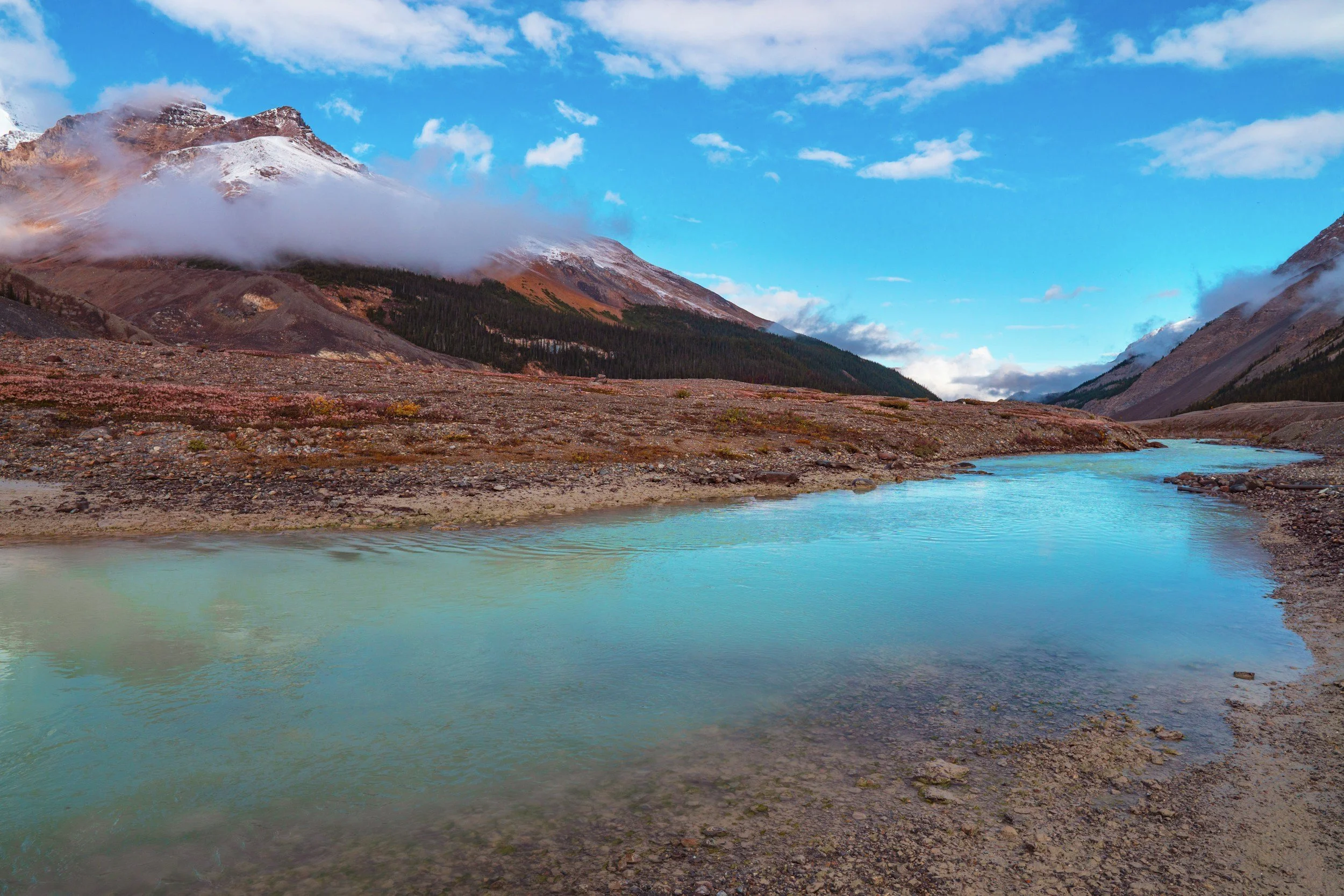
What Needs Us to Care?
What Needs Us to Care?
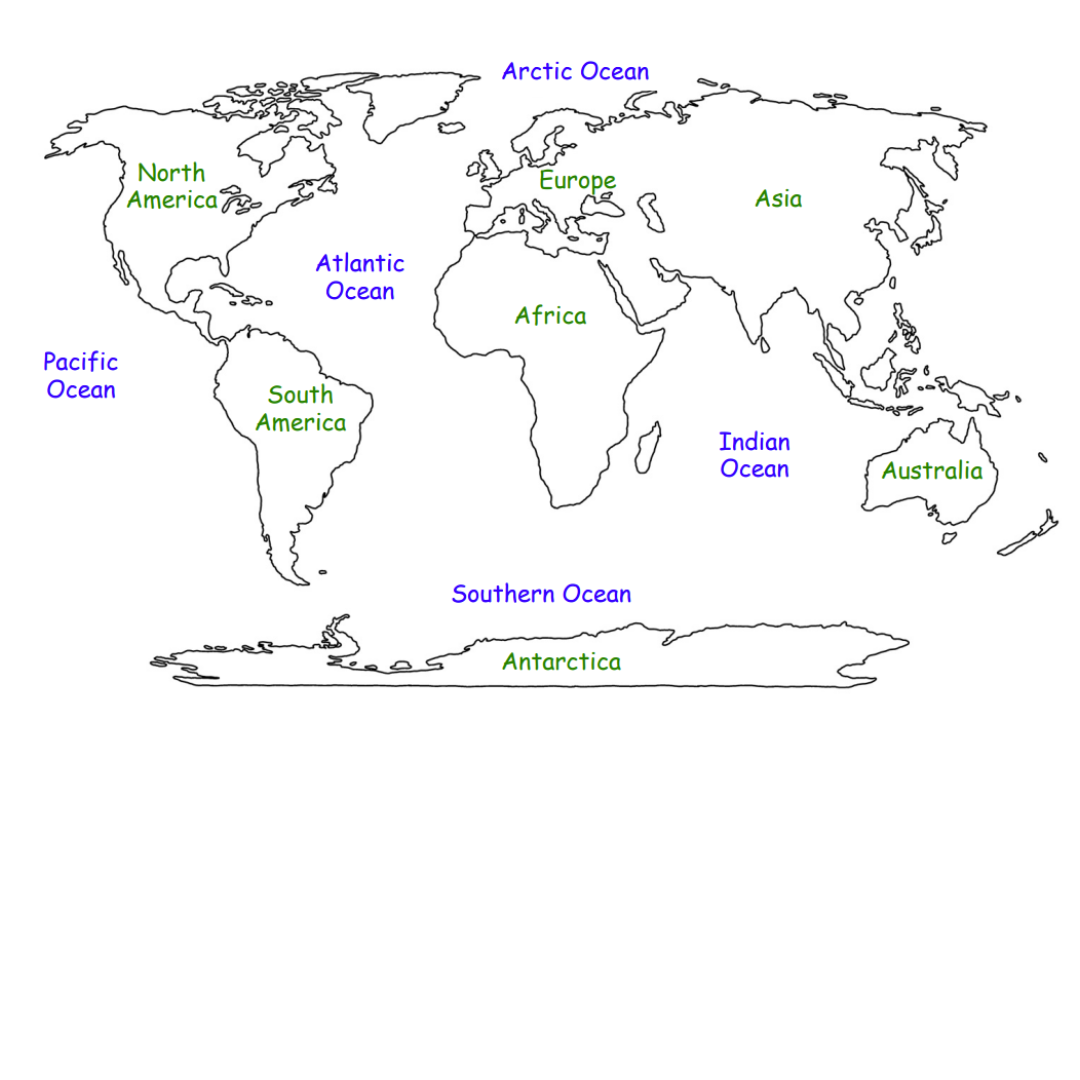
The part of Earth not covered with land is covered with water. Most people recognize this water by the names of the 5 oceans. These are the
Atlantic
Pacific
Arctic
Indian
and most countries - including the United States - now recognize the Southern (Antarctic) as the fifth ocean. The Pacific, Atlantic, and Indian are the best known.
In addition, there are 7 seas within those oceans and many rivers and smaller bodies of water feeding into them. A sea is a body of saltwater smaller than an ocean. Most often, seas are
located where the land and the ocean meet and are partly enclosed by land. The Seven Seas include the Arctic, North Atlantic, South Atlantic, North Pacific, South Pacific, Indian, and Southern oceans. The exact origin of the phrase 'Seven Seas' is uncertain, although there are very old books that date back thousands of years that mention them.
Our oceans are in trouble!
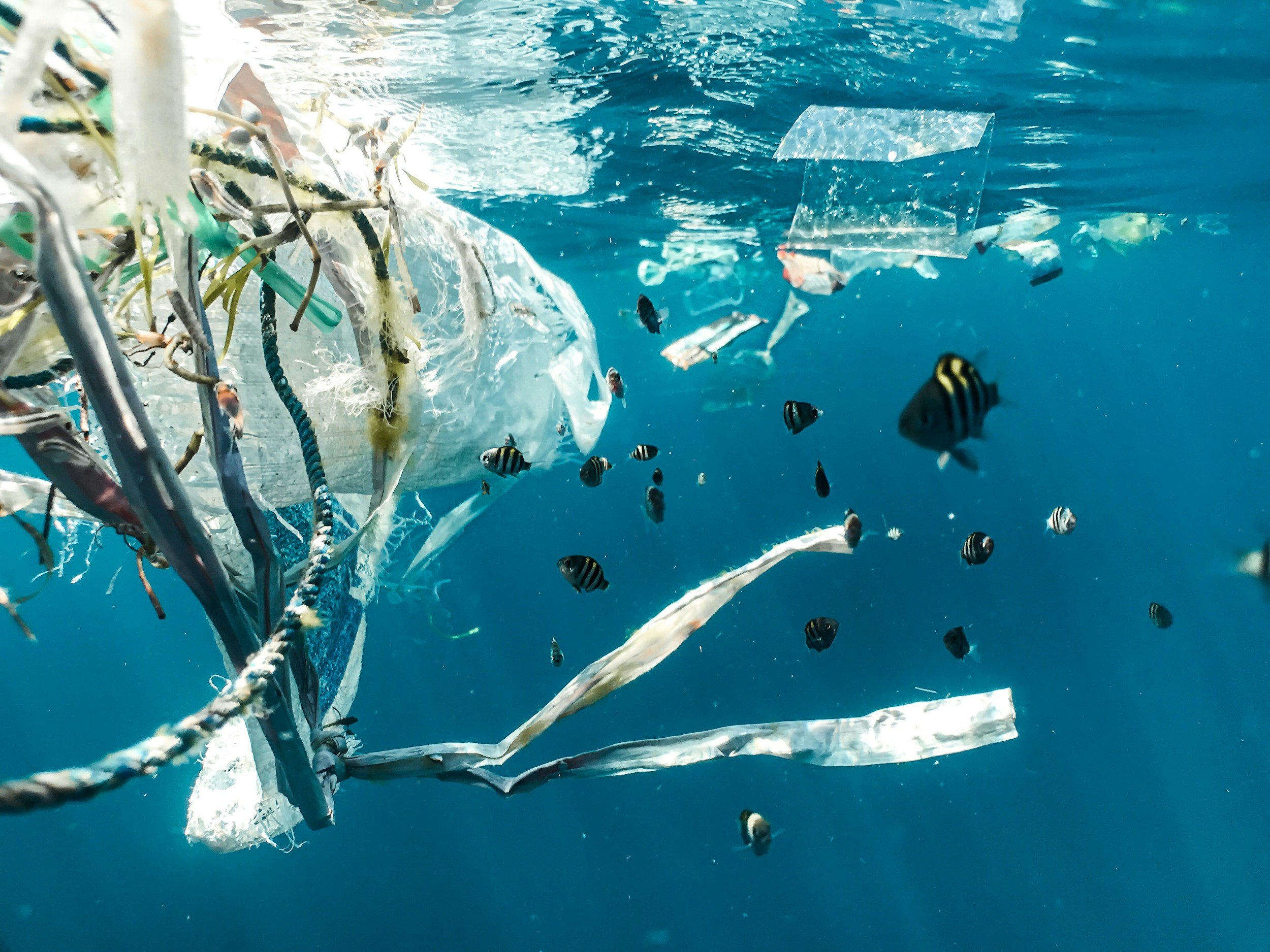
Between 4 and 12 million metric tons of plastic enter the oceans each year!
This is enough to cover every foot of coastline on the planet! 🌎
That amount is expected to triple in the next 20 years!
By 2040, the amount of plastic trash poured into the oceans each year is expected to increase to 29 million metric tons.
Here is the fact that no one can argue or erase:
Plastic is forever!
It is basically indestructible!

The fact that no one can argue or erase is that plastic is forever—it is basically indestructible!
There is no way to know exactly how much plastic has accumulated in the oceans, but the best guess was probably made in 2015: about 150 million metric tons. Based on this, if things don’t change, our beautiful water will be filled with 600 million metric tons by 2040.
We want to acknowledge the hard work and years of research that scientists have done in this field. The facts we are reporting here would not be known if not for their amazing investigation and experimentation. They not only have to find the right answers, they must ask the right questions in the beginning. And experts continue to explore as they test biological solutions to plastic pollution at every stage of its cycle, from capturing waste before it enters the environment to upcycling new plastic products. As you read this, researchers are exploring bio-based filters that can capture micro- and nano-plastics from water.
Still, we need more answers.
Maybe you will be the scientist of the future who will discover the best answer to make our earth pollution free!
Here are some SAD facts that we must face:
Right now, there is more plastic in our oceans than there are fish!
Experts tell us that humans around the world dump about 12 million metric tons of plastic in the oceans every year.
All of this plastic trash has formed 5 giant garbage patches in the sea.
The largest one is in the Pacific. It covers an area twice the size of Texas, and it’s made of about 1.8 trillion pieces of trash. (That’s 1,800,000,000,000 pieces of garbage!)
The sun’s rays and the motion of the waves breaks most plastic into tiny pieces called microplastics.
Fish unintentionally consume these small fibers of plastic, which means that when we eat the fish, we consume them, too. Not only this, but when the plastic is broken down into small pieces, the process releases chemicals that contaminate the water even more.
It’s not only fish who suffer
… from ocean plastic pollution or even the people who eat those fish. Beached whales have been found with stomachs full of plastic trash—as have dead seabirds, turtles, and many other creatures.
A hypoxic zone in an ocean is an area with so little oxygen that any animal life living there suffocates and dies.
Habitats that would normally teem with life become desserts in the water. By 2008, there were more than 400 hypoxic zones in the world’s oceans. In 2017, oceanographers found a dead zone about the size of the state of New Jersey in the largest hypoxic zone ever measured at that time, but this is now the second largest dead zone.
The hypoxic zone (“dead zone”) in the Arabian Sea became the largest one ever recorded in 2018.
It covers 63,000 square miles in the Gulf of Oman, which is about the size of Florida. This zone is 7 times larger than the Gulf of Mexico's dead zone.
Hypoxia has increased by 10 times globally in the last 50 years and about 30 times in the US since 1960.
More than 300 coastal ecosystems are experiencing hypoxia.


NOT ALL OF THE NEWS IS BAD…
We want to acknowledge the hard work and years of research that scientists have done in this field. The facts we are reporting here would not be known if not for their amazing investigation and experimentation. They not only have to find the right answers, they must ask the right questions in the beginning. And experts continue to explore as they test biological solutions to plastic pollution at every stage of its cycle, from capturing waste before it enters the environment to upcycling new plastic products. As you read this, researchers are exploring bio-based filters that can capture micro- and nano-plastics from water.
Still, we need more answers.
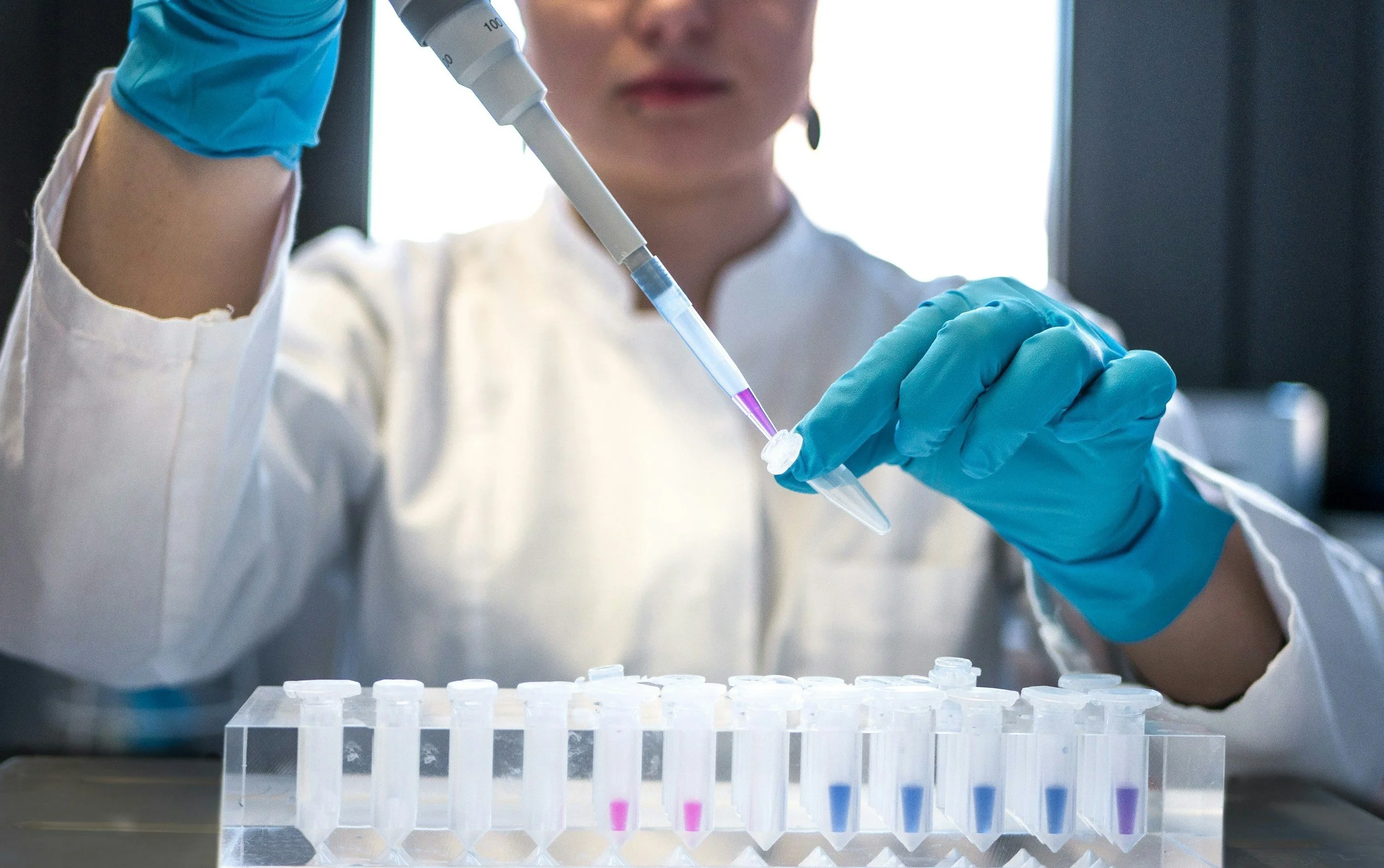
The scientists are not alone in wanting to fix this problem.
Since 2018, over 1,000 companies, governments and other organizations have signed the Global Commitment to stop plastic packaging from becoming waste. Businesses have reduced their use of problem plastics and more than doubled their use of recycled materials.
In March 2022, 175 nations voted to create a legally binding international agreement to eliminate plastic pollution.
In June 2022, Secretary's Order 3407 was issued to reduce the sale of single-use plastic products and packaging.
This is what the “big guys” with power and money are doing.
There are certain things that we can do to make sure this happens, even if we are young, and you have a chance to do one now.
Recycle Properly
Recycling means keeping plastic out of the ocean and reducing new plastic in use. We should all recycle every piece of plastic that you use. Only 9% of the plastic used worldwide is recycled. Check with your local recycling center about the types of plastic they accept. If you need help finding a place to recycle plastic waste near you, check Earth911’s recycling directory online.
Reduce Your Use of Single-Use Plastics
Single-use plastics are plastics made to be used one time, then thrown away. They are the largest part of plastic pollution in the oceans. Try to use less single-use plastics. Some of these are plastic bags, straws, utensils, take-out containers, water bottles, cups, and dry-cleaning bags. There are many others. Single-use plastics are easy and convenient. It doesn’t seem to make sense to replace them with something you have to wash, but that is exactly what we must do if we want to slow down the plastic pollution problem. Carry reusable versions of these products. Help businesses know that it’s important to you for them to offer other types of containers.
Avoid Products Containing Microbeads
Tiny plastic particles called microbeads don’t seem to make a difference. Afterall, they are so small! But, they affect hundreds of marine species who swallow them accidentally. Bigger fish eat the ones swallowing the microbeads, then humans eat the bigger fish. Who knows how many plastic microbeads we’ve already swallowed? These microbeads are found in some face scrubs, toothpastes, and body washes, and they enter our waterways through our sewer systems. Look for the words “polyethylene” and “polypropylene” on the ingredient labels of your family’s products and try not to use those products.
Tell your friends and family how they can help.
Also:
→ Look through your clothes and toys and choose some that you don’t need or don’t want any more. Ask mom or dad to help you find the best place to donate them so that children who are disadvantaged can receive them.
Give whatever you can afford to give.
→ Be kind to every kid you meet whether they are your friend or not. You never know what someone else’s life is like at home, and your smile might be the best thing they see all day long.
→ Complete this project and raise $40 to give an Oceanbag backpack to a child who is not able to get one. You’ll also save 30 plastic bottles from entering the ocean and plant a tree! YAY! Great job!

Vocabulary
-
A large solid area of land. Earth has seven continents.
-
A huge body of salt water.
-
A smaller body of salt water, completely or partly surrounded by land.
-
A child who is being raised by parents they are not related to.
-
A kind of material that is made by people. It can be formed into almost any shape. It is strong, lightweight and long-lasting.
-
A tiny thread, bead or piece of plastic.
-
A dangerous condition that occurs when the body's tissues don't have enough oxygen.
-
An area where animals, plants, bugs and anything living interacts with each other and the non-living like water, dirt, rocks and the sun.
Want to know more? Check out these great documentaries! A Plastic Ocean, Garbage Island: An Ocean Full of Plastic, Bag It, Addicted to Plastic, Plasticized, or Garbage Island.

What Can You do?
Activities
Activities
What have we learned in this unit?
Children all over the world and the planet itself have important needs that we can all help meet. The children need families, food, shelter, and the items necessary to live and learn. The planet needs us to restore the damage that has already been done, clean the areas that are polluted the best that we can, and try not to pollute more. There are certain things that we can do to make sure this happens, even if we are young.