
Unit 2
To produce or drop seeds
Trees are one of the coolest living things on the planet!
You can climb them,
eat from them,
cool down under them,
watch creatures in them,
& build houses in the branches.
But why would trees be part of our study about giving?
The answer to that question will be obvious as you progress through this unit, but for the moment, let’s begin with this:
Of all those in nature, outside of human beings, trees are the best at practicing
THE ART OF GIVING!
They are one of the ultimate role models for generosity and nurture.
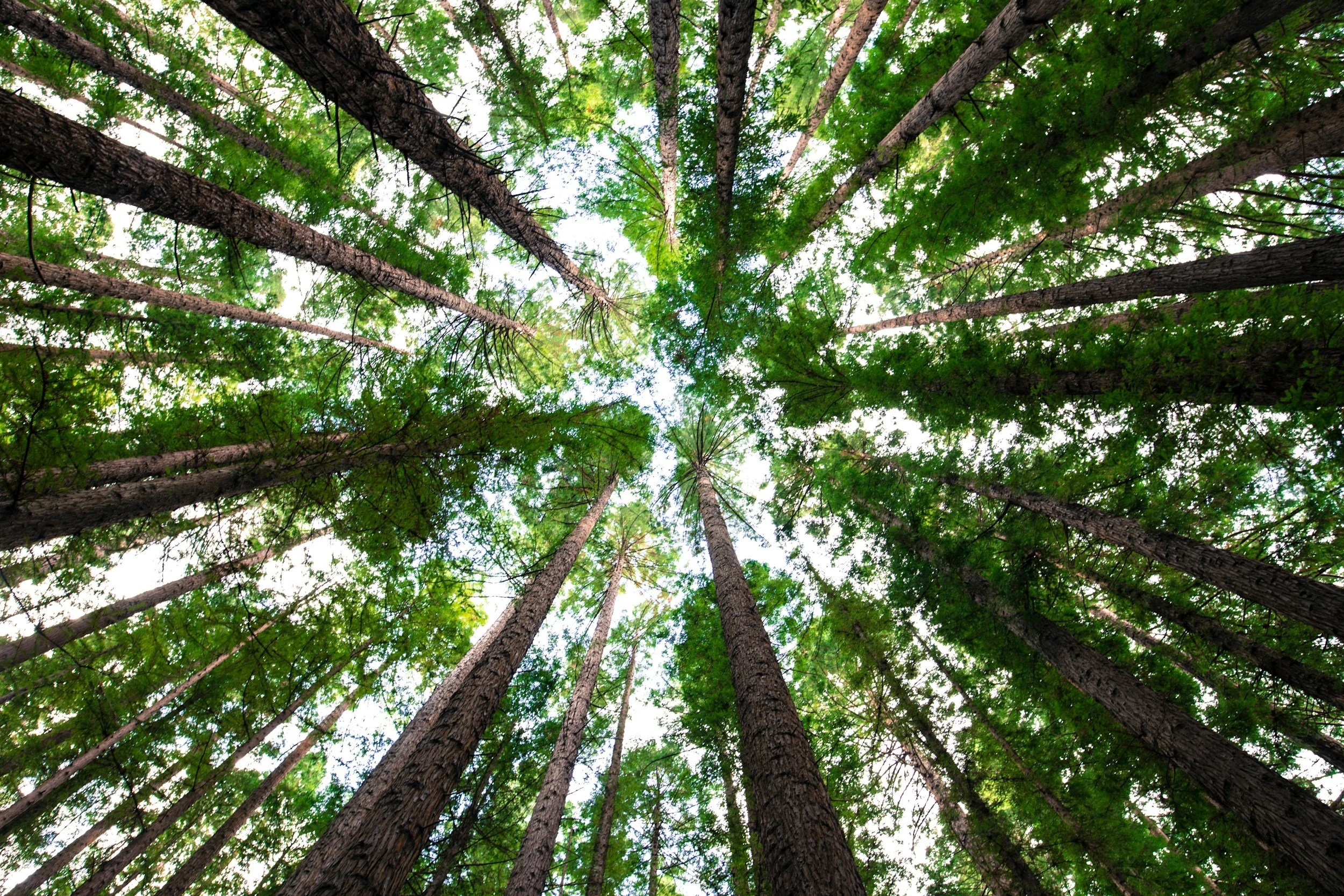
Here’s the scientific perspective: Trees cool and fill the air with water vapor as well as oxygen. They break the wind, protect the land from storm damage, and shade the land from sunlight. They shelter countless species, prevent the soil from washing away, and slow the movement of water. Trees provide food, fuel, medicines, and building materials for people all over the world. They also help balance Earth’s carbon budget.
Forests make up 30% of the Earth’s land surface. In these woodlands there are over a billion trees, and they all absorb carbon dioxide from the air, store the carbon in their trunks and exhale oxygen that people need. Scientists are learning that trees have systems that act a lot like nervous systems do for people. The tree’s system helps the tree communicate, remember and learn. Sound crazy? There is amazing evidence to support the claim.
Did you know???
Some experts think that a few plants 🪴can make and detect sounds—a crackling noise in the roots sounding at a frequency inaudible to humans👱♀️.
By using a technique called carbon dating, scientists have learned that trees living in forests live longer than trees growing in cities or towns. Trees that live among many people, without other trees, don’t live as long. Dendrologists, the experts who study wooded plants, conducted an experiment called isotope tracing that proved trees share nutrients through their roots. To do that, the trees had to communicate with each other. Does this mean that trees have conversations? Not in the same way humans do, but they do have a method for learning about each other. Scientists like to call this the “wood wide web.”
Did you know???
In the deep forest where it is too shady for sunlight ☀️ to reach small saplings 🌳, some species of trees will pump sugar through the mycorrhizal network to the saplings’ roots like mothers nursing their young.
Check out all that the BBC reveals about trees and their unthinkable abilities!
Did you know???
Peter Wohlleben, a German forest scientist and author, found a 400 – 500-year-old beech stump in the forest 🌲. He scraped the surface it was green with chlorophyll. How? Why? The only answer was that the beeches around it were feeding it sugar through the network.
Kin Recognition
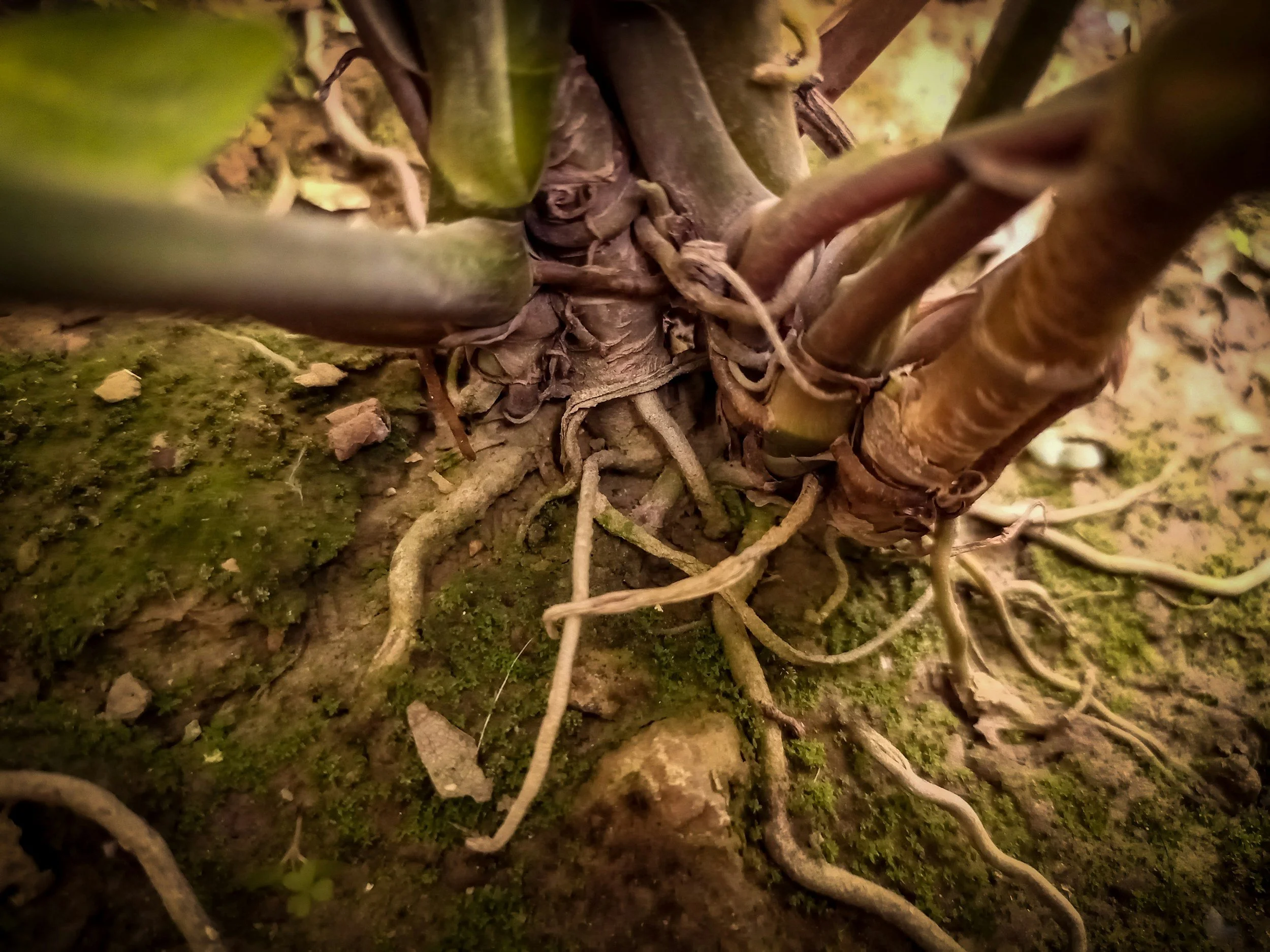
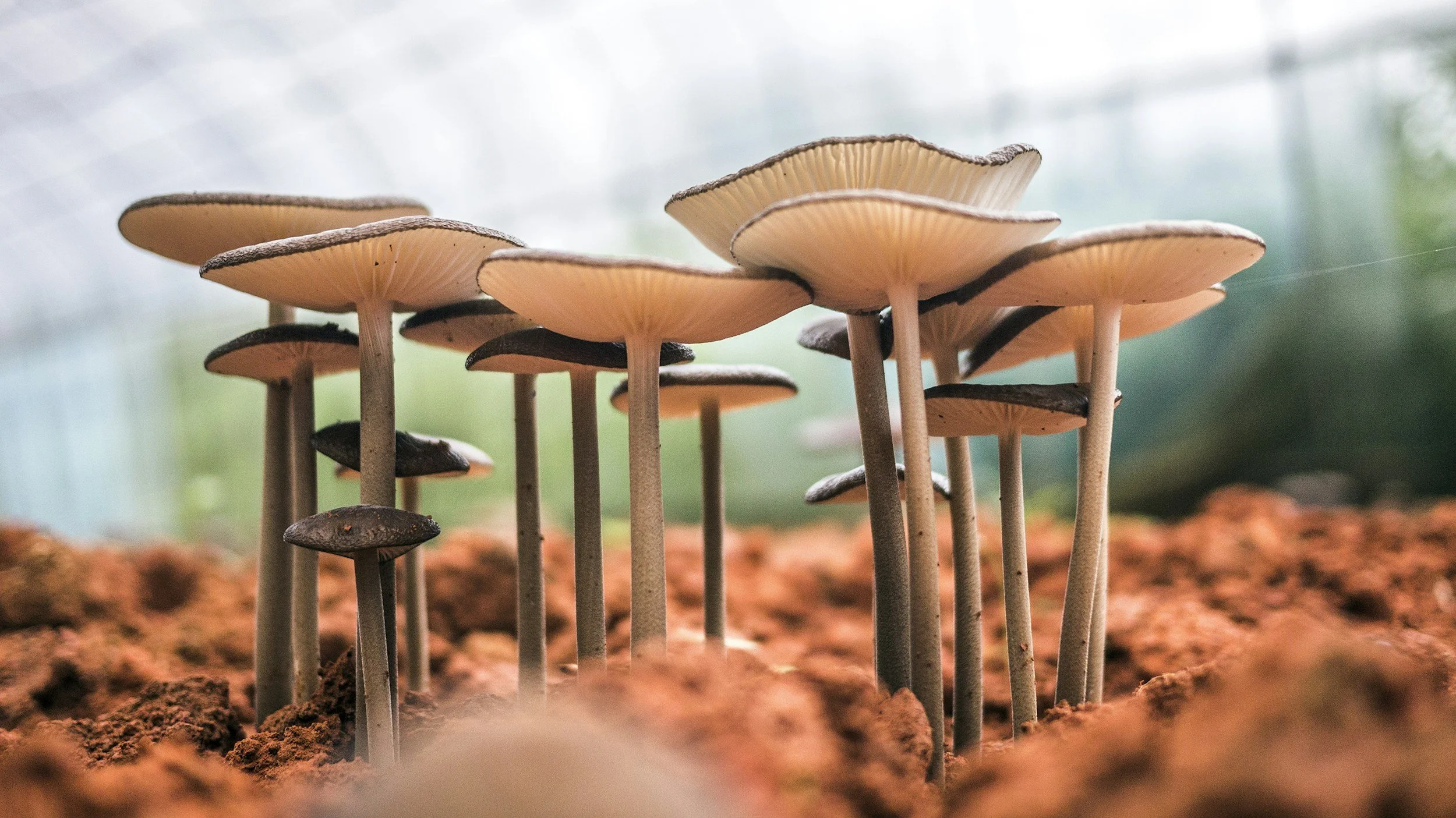
One tree helping another, or many others, is an example of symbiosis. Symbiosis is a close relationship between 2 life forms. How can trees do this? One way is by using microbes in the soil like fungi and bacteria. Fungi can cover a large area over the top of trees’ roots by taking in the sugars from the tree and giving back vital minerals like nitrogen and phosphorus. The fungi do this through tiny white threads called mycelium.
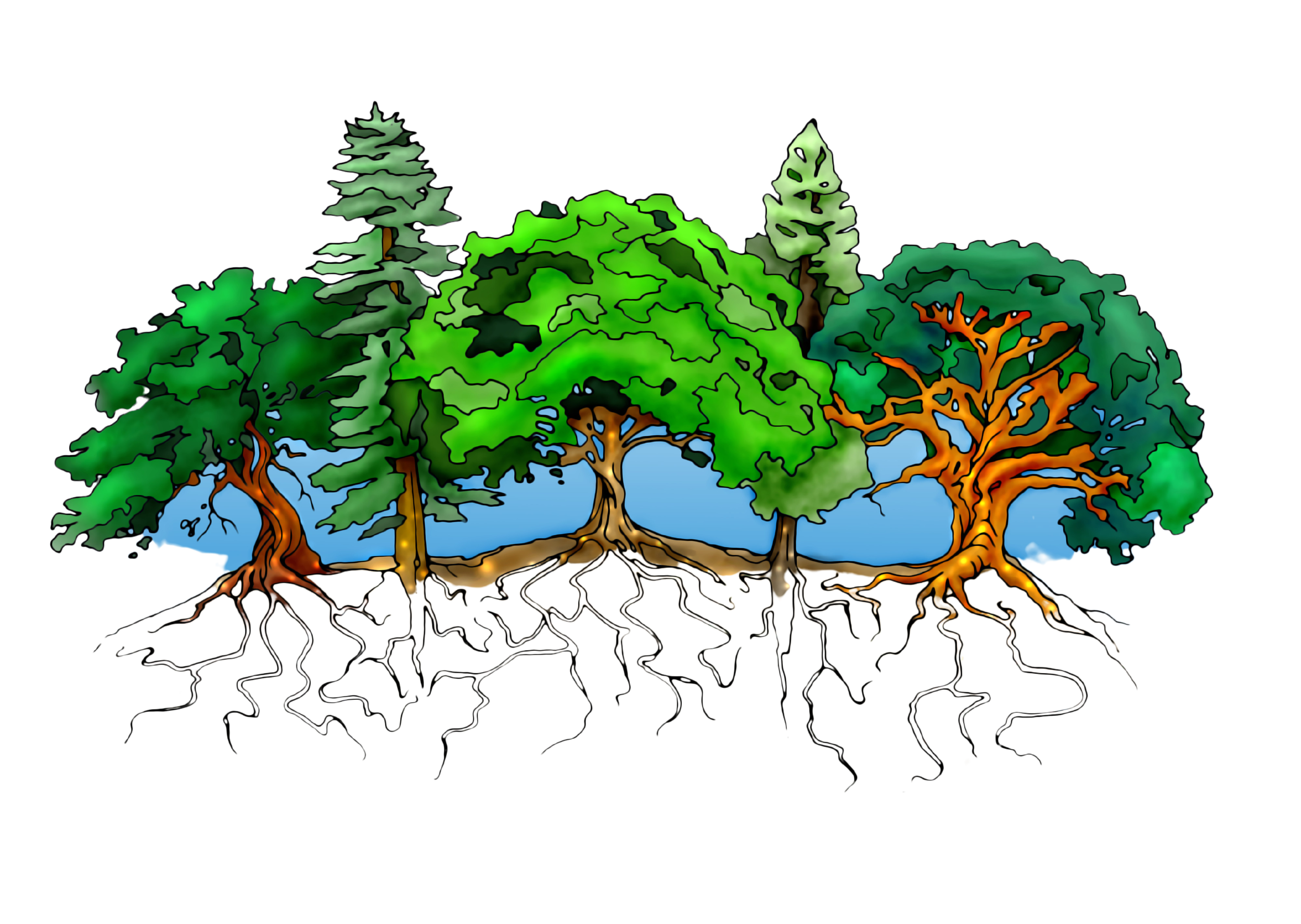
What’s truly amazing is that the mycelium—called the mycorrhizal fungal network—allow the trees to communicate about resources, defense and recognizing other trees in their species. There is evidence that the trees understand, learn, remember, and even influence how they can best stay fit according to what they learn. It is important to note—trees only communicate with each other if they share the same fungi and bacteria species. If their mycorrhizal fungal network is the same, they recognize and play favorites with tree species who are the same, and they share nutrients with them. This is called “kin recognition.”
Just as interesting, sometimes when trees of different species communicate, they develop fitness and “toughness” so they can withstand hardship better.
Did you know???
A beech tree 🌳can live for 400 years and produce 1.8 million beechnuts.
Certain species of fungi can help trees develop protection against poisons, germs and even predators. The also enable trees to warn their neighbors of danger by sending a chemical signal. This technique is called allelopathy. Mycorrhizal networks can help trees release a chemical to stop bugs from eating them and send stress signals to nearby trees after a forest disturbance like deforestation. Deforestation is the removal of a forest so that the land on which it stood may be put to another use.
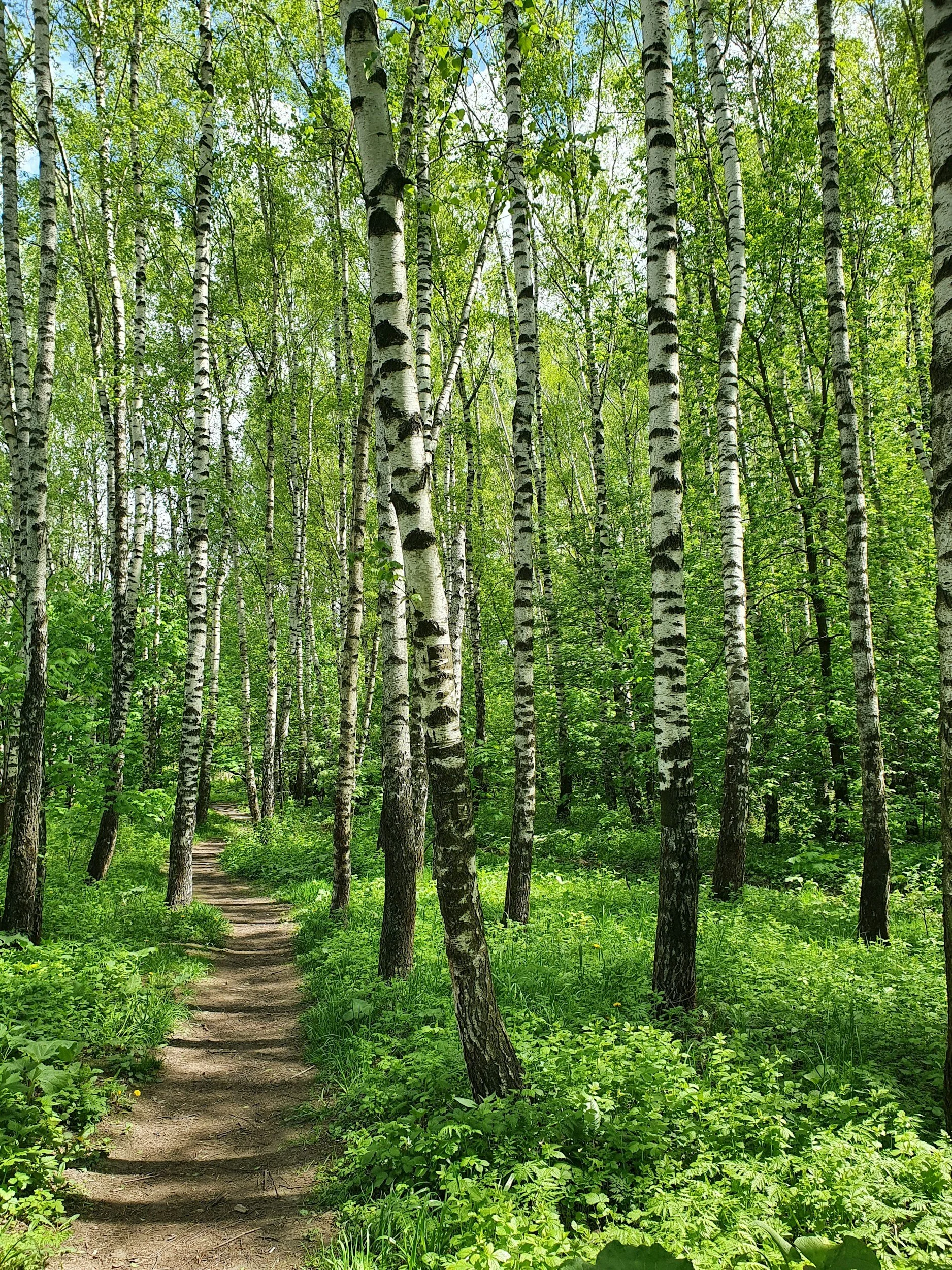
Trees communicate with other trees through their mycorrhizal network. The birch (left) and fir (right), are able to share food or signal each other in times of stress.
Trees rely on a healthy forest ecosystem to thrive and protect themselves from danger. Humans rely on a healthy forest ecosystem to be able to inhale clean oxygen, and the effects stretch as far as our oceans as well as across our lands. When we cut too many trees, we not only reduce nature’s best resource for soaking up carbon dioxide, we also interrupt and destroy the mycorrhizal network that is important for intra-tree communication.
Most experts believe trees are the oldest living organisms on the planet. They have grown tougher and stronger over centuries because of changes in their environment largely because of symbiotic relationship to fungi and other microbes. There are so many more discoveries to be made to understand the ancient wisdom of our forests and the invisible microbes that keep our ecosystems in harmony.
Did you know???
Trees can use scent signals to protect themselves. In the African savannas, the umbrella thorn acacia gives off a gas when a giraffe chews its leaves. Then the acacia neighbors pump tannins that make 🦒s sick into their leaves. The 🦒s are not to be outsmarted. They walk farther than the wind can carry the gas before they start eating from another 🌴. It looks like they are as long on brains 🧠 as they are necks!
Words to Plant in your Brain
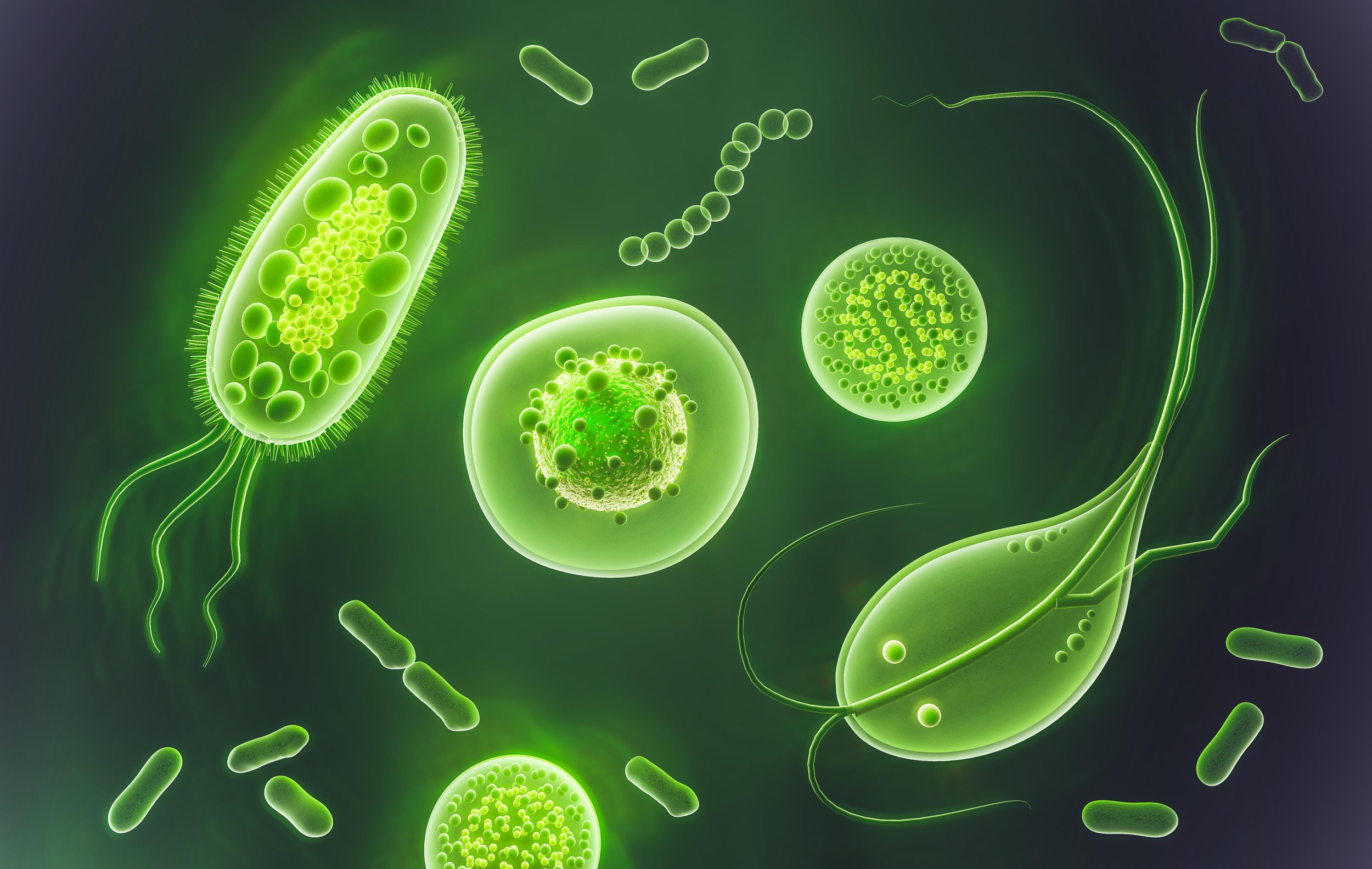
-
Any living thing.
-
Carbon is found in every living thing on earth. Scientists can tell the age of an organism by the amount of carbon in it.
-
Made up of all the living organisms like animals, plants and insects and the non-living things like water, dirt, and rocks that live and interact in one area.
-
One of the main elements that makes up air and necessary for all animals and plants to live.
-
A gas in the air produced from humans breathing and burning fossil fuels.
-
A scientist who studies wooded plants.
-
One form of life having a close relationship with another form of life
-
A category of organism that resembles a plant but isn’t one. Fungi live off dead and decaying matter.
-
The main body of fungus. It looks like a lot of white threads.
-
The mycelium of fungi and plant roots growing and working together.
-
A tiny, single-celled organism that gets nutrients from its environment.
-
The process of trees sharing food with other trees through their mycorrhizal network.
-
The process trees use to send chemical messages to other trees to warn them of danger.
-
Tiny, simple forms of life that include bacteria, algae, fungi and more.
Theodore Roosevelt, 1907 Arbor Day Message
“Between every two pines is a doorway to a new world.”
WHO IS THE CARBON SUPERHERO IN THE WIDE WOOD WEB?
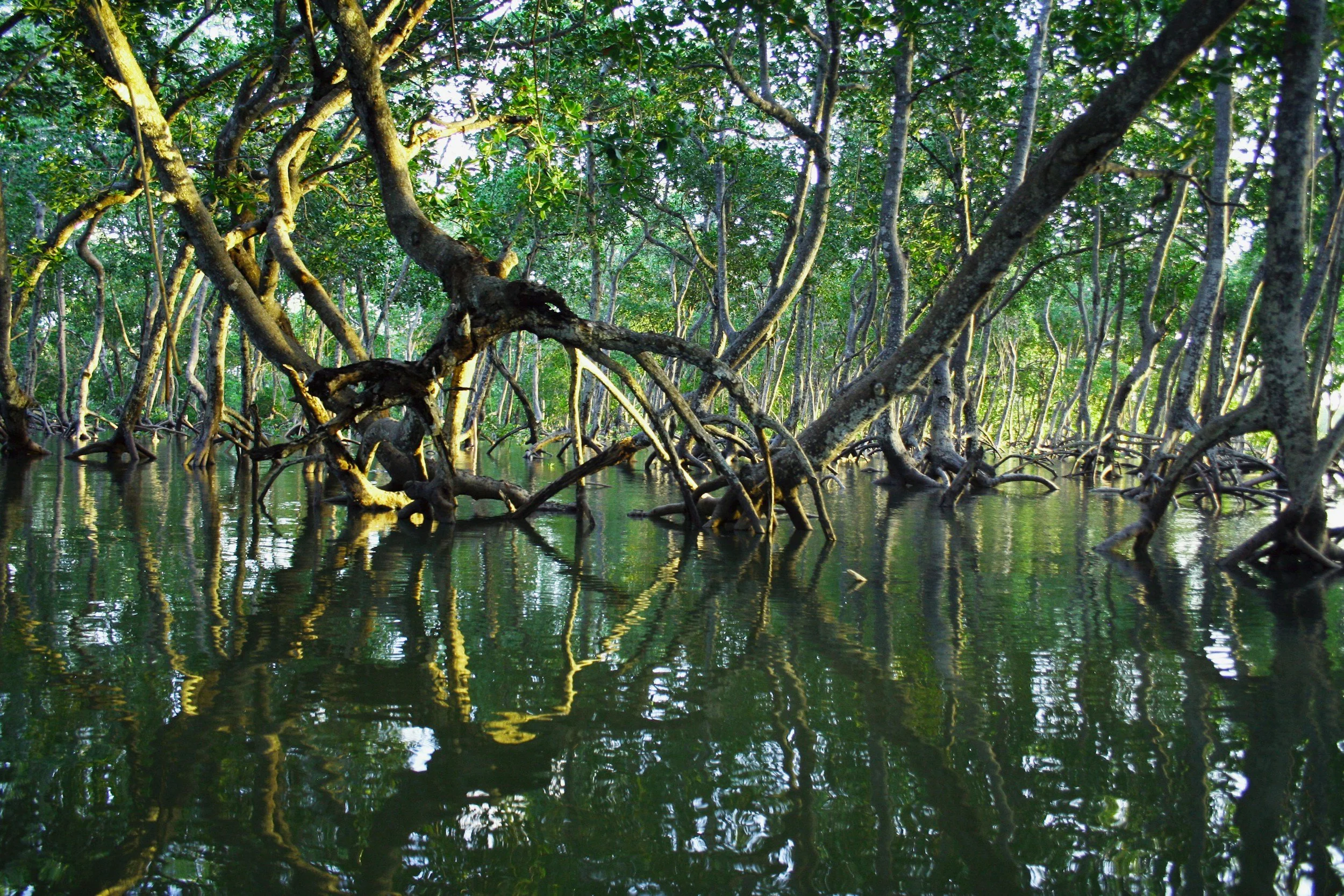
Mangroves are tropical trees that live in places most trees never could. They can grow in salt water on the coast and stand up against the constant pounding of waves. They store large amounts of carbon, but they are under threat across the globe. By protecting mangrove forests and by planting more, we can help protect the future of our planet. Here are some interesting traits of mangroves that set them apart from every other tree:
1) So that they can live at the edge of the ocean, mangroves filter salt out of the water.
2) The massive root systems of mangroves provide amazing nurseries for the babies of dozens of species, from tiny gobies to crocodiles.
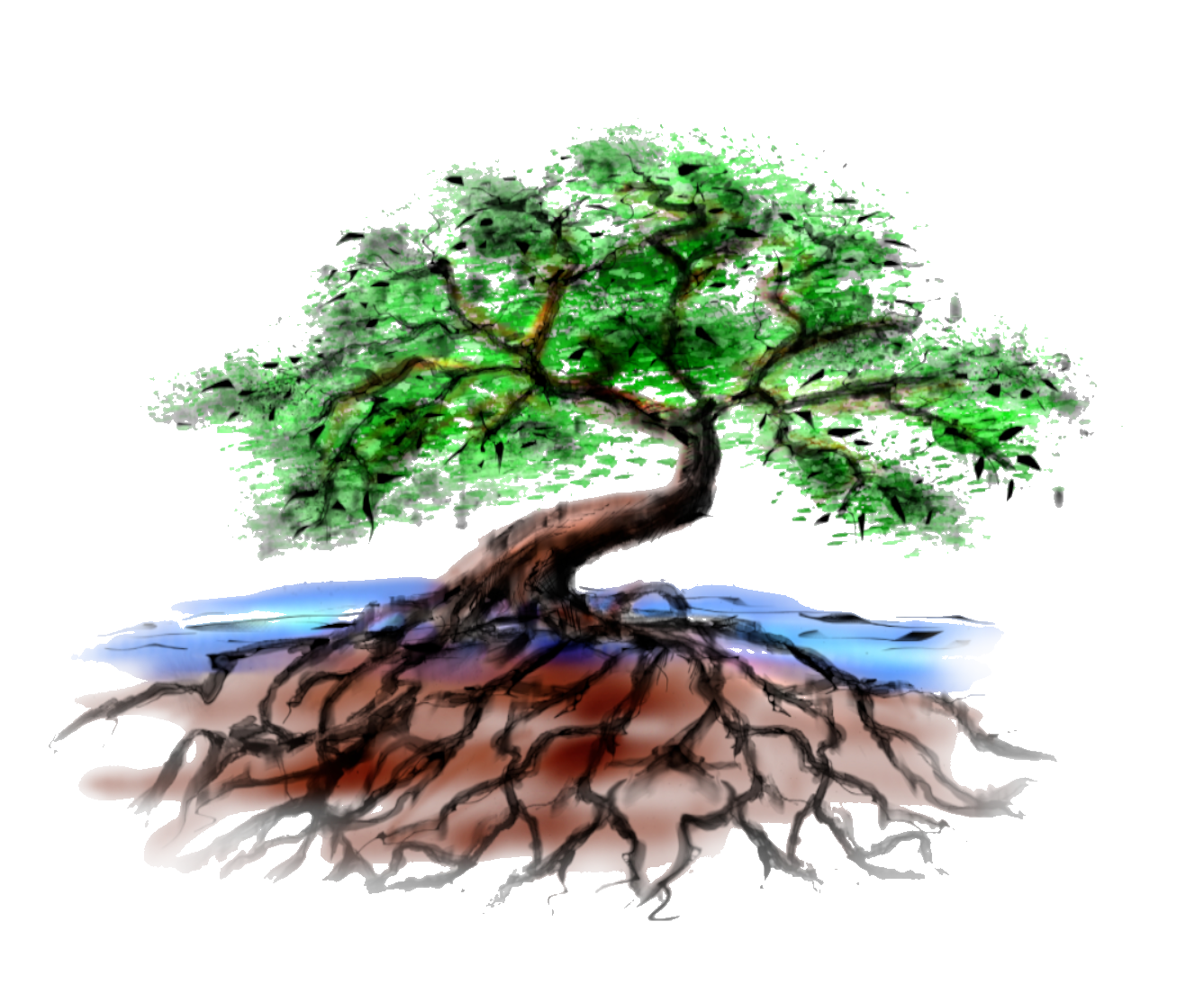
3) One single square mile of a mangrove ecosystem can hold the same amount of carbon as emissions from 90,000 cars in one year’s time.
4) The thick roots of Mangrove forests provide the best natural buffers against storm surges, a growing threat with rising sea levels.
5) In Thailand, Mexico and Indonesia, mangroves are often cut down to make room for shrimp pens. When the pens are removed, the waste that has gathered from the shrimp harvest makes the water too toxic for most forms of life.
6) Planting a mangrove is tricky. This is why the tree you will raise money to plant is being handled by an expert who plants mangroves in special nurseries. When they are large enough, he and his helpers replant the mangrove on the coast where it can help protect people from the cyclones that come every year.
Activity
Activity
Help Squiggums Squirrel and Theodore Thrush feed their forest friends!
WHAT HAVE WE LEARNED?
We know that trees absorb carbon dioxide from the air and store it in their trunks while they produce which we need to breathe. One acre of average forest absorbs 6 tons of carbon dioxide and makes 4 tons of oxygen. That is enough oxygen to last a year for 18 people.
In a symbiotic relationship with fungi and bacteria through a mycorrhizal network, some trees share food with neighboring trees, protect themselves and can even alert other trees to danger.
Mangrove trees store carbon more effectively than any other species. Their thick roots provide the best protection against storm surges for the organisms on the shoreline including humans.
Trees also:
Provide homes for many kinds of animals
Stop soil from washing away
Provide food, fuel medicines and building materials.
Cool the earth’s air and surface temperatures.
Make the soil richer with nutrients from the decaying fallen leaves.
We need trees to live healthy lives. Do all that you can to plant more and take care of the ones that we have.
Now you’re ready to learn how you can be a friend, plant a tree and save the sea.